
 080 6500 6179
Two ways to bring a patient home
-
ICU air ambulance charter. A dedicated aircraft configured as an intensive care unit, with ventilator, multi-para monitoring, infusion pumps and route oxygen, and a doctor plus paramedic who fly with the patient. UK to India is typically a single long-range sector or one technical stop.
-
Commercial stretcher transfer. A stretcher berth on a scheduled airline — several carriers serve UK–India routes directly — with our medical escort alongside. For stable patients this is a large saving on a charter, and the direct routings make it a genuinely good option on this corridor.
-
Medical escort. A doctor or nurse travels with a patient who can sit but should not fly alone.
Our aeromedical doctor assesses the case and tells you which is clinically required. On UK–India specifically, the availability of direct scheduled flights means a stretcher transfer is right more often than families expect.
What the route involves
-
Distance and time. London to Delhi is roughly 6,700 km — around 9 hours on a direct scheduled flight, or 11–14 hours door to door for a stretcher transfer including both ground legs. An ICU charter is typically 14–18 hours door to door. The UK is one of the shorter long-haul repatriation corridors into India.
-
What has to be lined up. Fitness-to-fly assessment, the NHS or private hospital’s discharge summary and imaging, permits and slots, ground ambulance at the UK end and in India, and confirmed admission at the receiving hospital.
-
Common origins we fly from. London (Heathrow, Gatwick, Stansted), Birmingham, Manchester, Leicester, Leeds, Glasgow, Edinburgh, Cardiff.
-
Common destinations in India. Delhi, Mumbai, Ahmedabad, Hyderabad, Bengaluru, Chennai, Kochi, Amritsar, Chandigarh — then onward anywhere in our 550+ city ground network.
Getting your quote
What we commit to in writing: a full quote within 1 hour of receiving the medical summary — aircraft or berth, crew, route, both ground legs, and what is excluded. No deposit required for a quote.
[ Get my quote → ] [ See how air ambulance pricing works → ]
Why families choose us for this route
-
In-house aeromedical team, not a broker.
-
Both Indian ground legs are ours — 550+ cities.
-
250+ partnered receiving hospitals in India.
-
1,500+ transfers since 2016.
-
One coordinator for the whole case.
If you wish to know more about the Emergency Air Ambulance Services.
 080 6500 6179
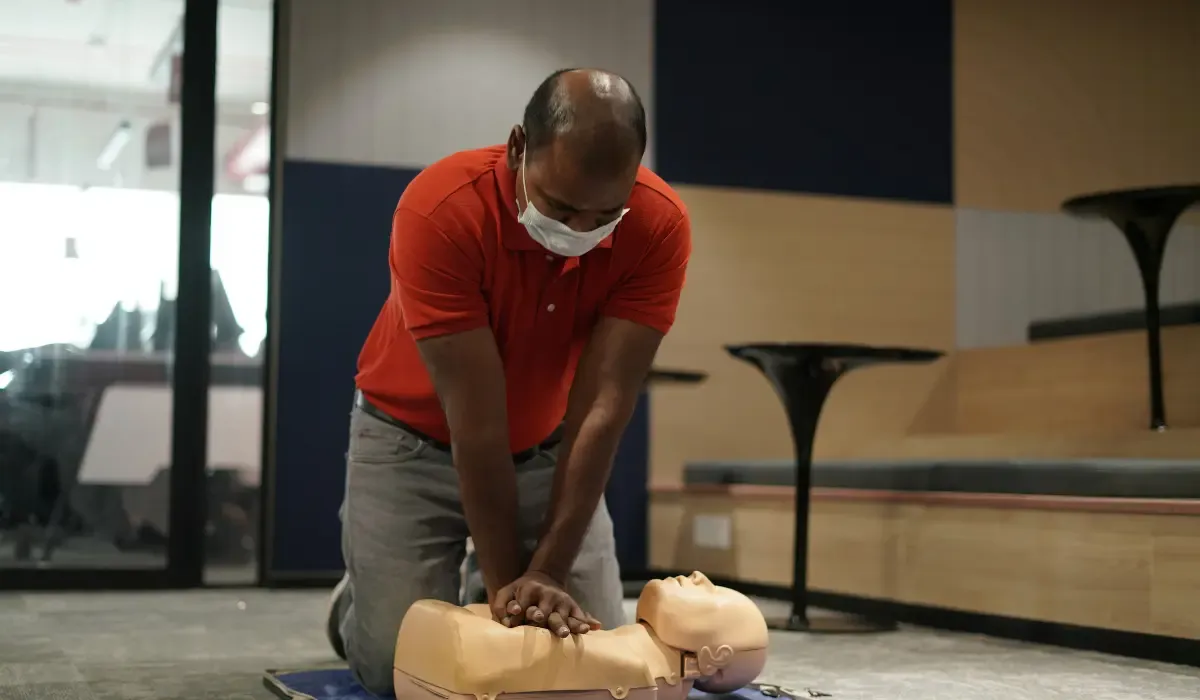
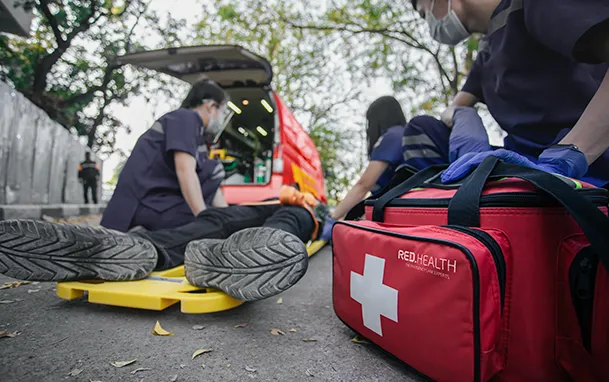
Advantages Of Air Ambulance Services from UK to India







Frequently asked questions (FAQs)
How quickly can you move a patient from the UK to India?
Usually 24–72 hours from first contact. On this corridor the flight is the easy part; fitness-to-fly clearance and the receiving hospital’s admission set the pace.
Can you work with an NHS hospital’s discharge team?
Yes. With the family’s authorisation we deal with the ward and the discharge coordinator directly for the summary, imaging and the fitness-to-fly assessment.
Will UK travel insurance cover repatriation to India?
Many policies include medical repatriation, though cover is sometimes only partial. Send us the policy and we will tell you what it appears to cover and liaise with the insurer. We quote without waiting for the insurer.
Is a stretcher on a scheduled flight safe for this route?
For a stable patient, yes. UK–India has direct scheduled services, so a stretcher transfer avoids a technical stop entirely and our medical escort provides the same monitoring and drugs as on a charter. Our aeromedical doctor will tell you if the patient needs a charter instead.
Do you fly the other direction, India to the UK?
Yes — outbound transfers from India to the UK, both for patients returning and for treatment abroad.
What are the available modes of payment?
We offer flexible payment options including bank transfers, international cards, and payment solutions. Details are confirmed in your quote.
Is GST applicable on air ambulance services?
Patient transport by ambulance is GST-exempt in India.
How is a “fit to fly” assessment done?
Our aeromedical doctor reviews the treating hospital’s notes and, where needed, speaks to the treating consultant directly — airway and ventilation needs, haemodynamic stability, recent imaging, and anything that altitude would worsen. The assessment is free and we will tell you if the patient should be stabilised further before flying.
Want to know more about our services?