 080 6500 6179

Two ways to bring a patient home
-
ICU air ambulance charter. A dedicated aircraft fitted as an intensive care unit — ventilator, multi-para monitoring, infusion pumps, and route oxygen — with a doctor and paramedic who fly with the patient. For patients who are unstable, ventilated, or need continuous intervention. A US-to-India charter is a long-range mission with a technical stop and a relief crew.
-
Commercial stretcher transfer. A stretcher berth on a scheduled airline with our medical escort alongside. For stable patients this is a lighter-touch option than a charter and, in our experience, the right answer for most planned repatriations from the US.
-
Medical escort. For patients who can sit but should not travel alone, a doctor or nurse travels with them in a normal or business-class seat.
Our aeromedical doctor reviews the case and tells you which of the three your patient actually needs. We will say so if a charter is not necessary.
What the route involves
-
Distance and time. A US-to-India transfer is 11,000–13,000 km depending on the origin city. An ICU charter typically runs 20–26 hours door to door including a technical fuel stop and crew change. A commercial stretcher routing is usually 18–24 hours with one connection.
-
What has to be lined up. Fitness-to-fly assessment, the sending hospital’s discharge summary and imaging, landing and overflight permits, airport slots, ground ambulance at the US end and in India, and admission confirmed at the receiving hospital before wheels-up. We do all of it — you do not coordinate between four vendors.
-
Common origins we fly from. New York, New Jersey, Chicago, Houston, Dallas, Atlanta, Los Angeles, San Francisco, Seattle, Boston, Washington DC.
-
Common destinations in India. Delhi, Mumbai, Hyderabad, Bengaluru, Chennai, Kolkata, Ahmedabad, Kochi — and onward to any of 550+ cities by our own ground ambulance network.
Getting your quote
The two things that shape a transfer most are aircraft type and whether a charter is clinically necessary. A commercial stretcher transfer is a lighter-touch option than an ICU charter for the same route.
What we will commit to in writing: a full quote within 1 hour of getting the patient’s medical summary — the aircraft or berth, the crew, the route, the ground legs at both ends, and what is not included. No deposit to get a quote.
Get my quote → See how air ambulance pricing works →
Why families choose us for this route
-
In-house aeromedical team. The crew that flies your family member works for us. We are not a broker reselling an operator we have never flown with.
-
Both ground legs are ours in India. 550+ cities of ambulance network, so the handover at the Indian end is inside one company.
-
250+ partnered receiving hospitals.
-
1,500+ transfers since 2016.
-
One coordinator, assigned on your first message, for the whole case.
If you wish to know more about the Emergency Air Ambulance Services.
 080 6500 6179
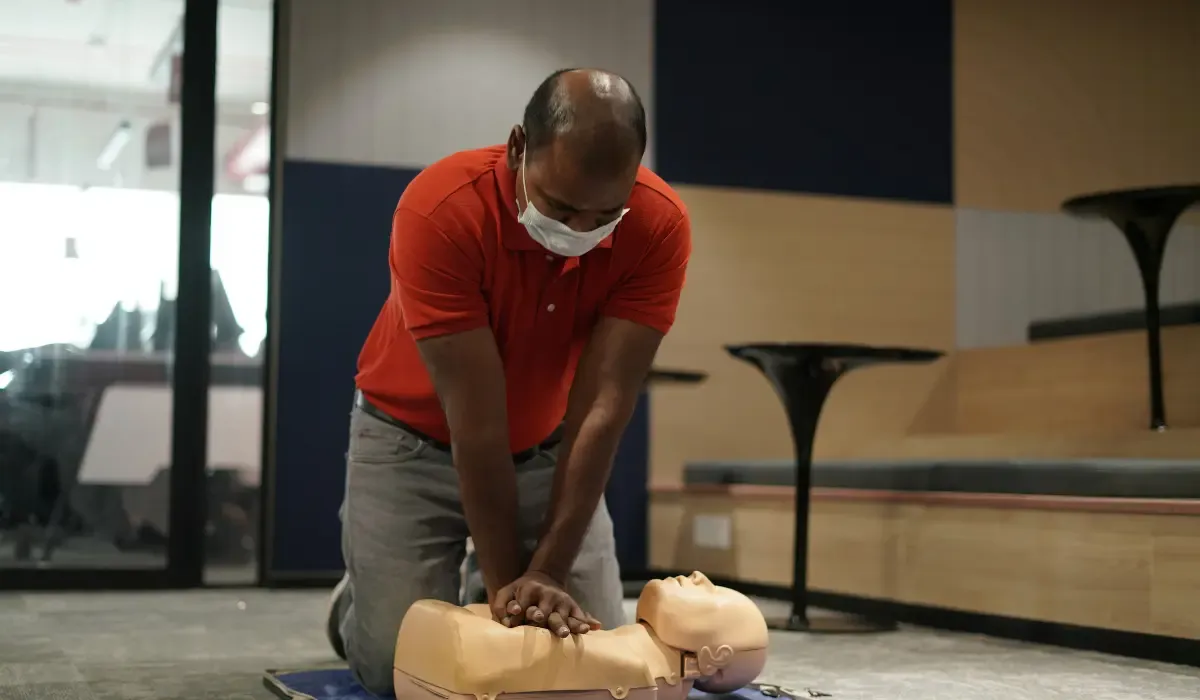
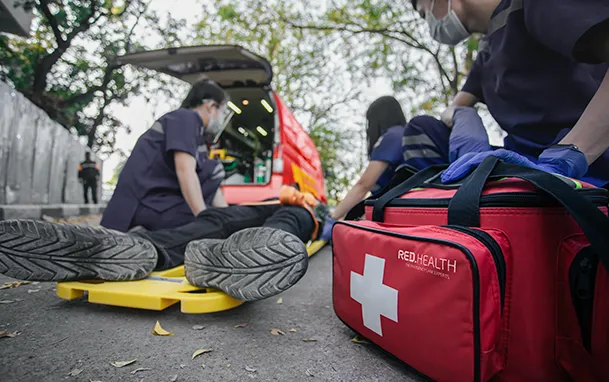
Advantages Of Air Ambulance Services from USA to INDIA







Frequently asked questions (FAQs)
How quickly can you move a patient from the US to India?
Typically 24–72 hours from first contact to wheels-up. The pacing item is almost never the aircraft — it is fitness-to-fly clearance, permits, and the receiving hospital’s admission. If the case is time-critical, say so in your first message.
Will my US insurance cover this?
Some policies cover medical repatriation and some cover it only in part. Send us the policy and we will tell you what it appears to cover and deal with the insurer directly. We do not require the insurance question to be settled before we quote.
Can a ventilated patient fly this distance?
Yes, routinely, on an ICU charter with a ventilator and a crew who manage it in flight. Our aeromedical doctor assesses fitness to fly first and will tell you if the patient should be stabilised further before the flight. We will not fly a patient we do not think should be flown.
Do you handle the paperwork with the US hospital?
Yes. With your authorisation we speak to the treating team directly for the discharge summary, imaging and the fitness-to-fly assessment, so you are not relaying medical detail between two hospitals.
What if the patient has died and we need to bring the body home?
That is a different service — mortal remains repatriation — and we handle it. Please tell us in your first message so we route you correctly and do not ask you clinical questions that do not apply.
What are the available modes of payment?
We offer flexible payment modes including credit cards, wire transfers, and 0-cost EMI options. We will confirm the payment route in your quote.
Is GST applicable on air ambulance services?
Patient transport by ambulance is GST-exempt in India.
How is a “fit to fly” assessment done?
Our aeromedical doctor reviews the treating hospital’s notes and, where needed, speaks to the treating consultant directly — airway and ventilation needs, haemodynamic stability, recent imaging, and anything that altitude would worsen. The assessment is free and we will tell you if the patient should be stabilised further before flying.
Want to know more about our services?